
Introduction
Choosing the right gym wear manufacturer is one of the most important decisions a fitness brand can make. Whether you are launching a new activewear line, scaling an existing collection, or sourcing private label products for Amazon FBA, your supplier directly shapes your product quality, customer satisfaction, and profit margins.
Many buyers focus on price alone. That is a mistake. Bulk buyers in Pakistan, the USA, and Europe need far more than a low unit cost. They need consistency in stitching, reliable sizing, fabric performance, proper branding support, and a supplier who actually communicates. Finding all of this in one place is harder than it sounds.
This guide walks you through everything you need to know about finding, evaluating, and working with the right gym wear manufacturer for your business. By the end, you will have a clear framework to make a confident, informed sourcing decision.
What Is a Gym Wear Manufacturer?
A gym wear manufacturer is a production facility or company that handles the complete process of turning raw materials into finished activewear and sportswear products. This is different from a trader or wholesale supplier. A manufacturer actually controls the production floor.
A capable gym wear manufacturer typically handles:
- Fabric sourcing and procurement
- Pattern making and grading across sizes
- Sample development and approval
- Cut and sew production
- Sublimation, screen printing, and embroidery
- Private label branding, custom woven labels, hangtags, and packaging
- Quality inspection before shipment
- Export documentation and logistics coordination
When you work directly with a manufacturer rather than a middleman, you gain better pricing, more control over customization, and a clearer line of communication. For brands placing bulk orders, this relationship is foundational.
Why Choosing the Right Gym Wear Manufacturer Matters
Your manufacturer is essentially a silent partner in your brand. If they produce inconsistent stitching, your customers will notice. If they use low-grade fabric, your reviews will suffer. If they miss deadlines, your launch is delayed.
On the other hand, a reliable fitness clothing manufacturer gives you:
- Consistent product quality across every order run
- Accurate sizing that matches your published size charts
- Fabrics that perform as expected during workouts
- On-time delivery that keeps your business running
- Branding details that make your products look premium
For brands targeting markets in the USA and Europe, quality compliance is not optional. Buyers in those markets expect fabrics that are tested, stitching that holds up to use, and sizing that aligns with international standards. Working with a poorly vetted activewear manufacturer can result in returns, negative reviews, and real damage to your brand reputation.
The global activewear market continues to grow significantly, with brands competing heavily on product quality and presentation. In this environment, your supplier is either an asset or a liability.
What to Look for in a Gym Wear Manufacturer
Not all manufacturers are equal. Before committing to bulk production, evaluate your potential supplier across these key areas.
Fabric Quality and Performance
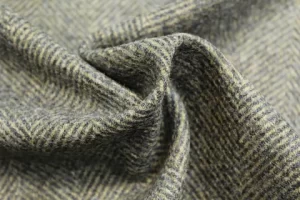
Fabric is everything in gym wear. The two most widely used materials in activewear are polyester-spandex blends and nylon-spandex blends. Polyester offers moisture-wicking properties and durability, while nylon provides a smoother feel and better stretch recovery. According to Textile Exchange's performance apparel research, the right fiber blend directly affects how a garment performs during physical activity.
Ask your manufacturer what fabric weights they stock, which blends they recommend for specific products, and whether they can source OEKO-TEX certified materials. Certification matters for European buyers in particular, as it signals that fabrics have been tested for harmful substances.
You can browse the fabric options at Best Gym Wears to understand the variety a serious manufacturer should carry.
Customization Options
A professional gym wear manufacturer should support full customization. This includes sublimation printing for all-over designs, screen printing for logo placement, embroidery for premium branding, and options for PVC or rubber logos on high-end products.
Beyond printing, customization should extend to cut and color options, custom waistbands, drawstrings, pocket placements, and zipper configurations. If a manufacturer cannot accommodate these requests, they are limiting your ability to differentiate your brand.
MOQ and Bulk Production Capacity
MOQ stands for minimum order quantity. It determines the smallest number of units a manufacturer will produce per style or colorway. For new brands, low MOQ is important. For established brands scaling up, production capacity matters more.
Ask clearly: What is the MOQ per style? Per colorway? Can you adjust MOQ for repeat orders once a relationship is established? A manufacturer who is transparent about MOQ from the start is typically easier to work with long-term.
Stitching and Finishing Standards
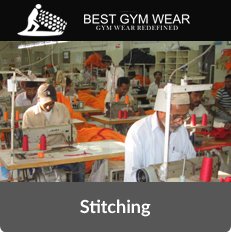
Run your hands along the seams of any sample you receive. Flatlock stitching is the industry standard for activewear because it lies flat against the skin and reduces chafing. Check for consistent stitch density, clean thread trimming, and properly secured bartacks at stress points like crotch seams and pocket corners.
Finishing quality is often what separates a premium product from a mediocre one. Buyers in the USA and Europe are particularly attuned to these details.
Size Consistency
Size consistency across a production run is non-negotiable. A pair of medium leggings from batch one should measure the same as a pair of mediums from batch two. Ask your manufacturer how they handle size grading and whether they use standardized measurement sheets for each production run.
Inconsistent sizing leads to high return rates, which is one of the most expensive problems an e-commerce brand can face.
Branding, Labels, Tags, and Packaging
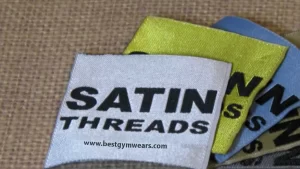
A serious custom gym wear manufacturer should support your full branding stack. This means woven labels inside the garment, custom hang tags, poly bag packaging with your branding, and size stickers. These details matter enormously when selling on Amazon, in boutiques, or through your own online store.
Best Gym Wears offers a complete range of branding and labeling services to help brands present a polished, retail-ready product.
Communication and Sampling Process
Poor communication is one of the most common reasons brand owners abandon a supplier. Before placing a bulk order, pay attention to how quickly a manufacturer responds, whether they understand your requirements clearly, and whether they offer a structured sampling process.
A proper sampling process typically involves: sending your tech pack or design brief, receiving a pre-production sample, reviewing the sample for fit and quality, requesting revisions if needed, and approving the sample before bulk production begins. This step protects both parties.
Quality Control Before Shipment
Ask directly whether the manufacturer has an in-house quality control team that inspects garments before they are packed. Some manufacturers use AQL (Acceptable Quality Limit) sampling standards, which are widely recognized in global apparel trade. ASTM International provides widely referenced guidelines for apparel testing and quality benchmarks.
A manufacturer who does not have a defined QC process is a risk. Catching defects after products reach your warehouse is far more expensive than catching them on the production floor.
Pakistan vs USA vs Europe: What Buyers Should Consider
Brands from different markets have different expectations when sourcing from a gym wear manufacturer. Therefore, here is a practical comparison.
For Pakistani brands and startups, the primary advantages of sourcing locally include lower MOQ flexibility, easier communication, faster sampling, and the ability to visit the facility in person. In addition, Pakistan has a well-established textile and sportswear manufacturing base, particularly in cities like Sialkot and Lahore, which gives local buyers direct access to experienced production teams.
For USA brands, the key concerns are typically product compliance, consistent sizing in US measurement standards, reliable lead times that align with seasonal launch schedules, and the ability to handle larger volume orders. As a result, shipping timelines matter, so brands need a manufacturer who can commit to production windows and meet agreed-upon delivery dates.
For European brands, fabric certification is a priority. For example, many EU buyers look for OEKO-TEX certified materials and expect suppliers to adhere to responsible production practices. Moreover, lead times, packaging compliance, and the ability to provide product documentation for customs clearance are also critical. Therefore, a gym wear manufacturer for European brands must understand these expectations and be prepared to meet them proactively.
According to WTO trade data, apparel exports from South Asia, including Pakistan, continue to grow year over year, which reflects the region's established manufacturing capability and competitive pricing relative to other sourcing destinations.
Custom Gym Wear Manufacturing Options
Explore the full product range at Best Gym Wears to see what is available for bulk custom production.
Common Mistakes Brands Make When Choosing a Gym Wear Supplier
Experienced sourcing teams learn these lessons over time. Therefore, here are the most common mistakes brands make when selecting a bulk gym wear supplier, so you can avoid them early.
Choosing only on price is the number one mistake. For example, a low per-unit cost that comes with poor stitching, inconsistent sizing, or slow communication will cost you far more in returns, lost customers, and reorders.
Skipping the sample stage is another serious error. In fact, never commit to a bulk order without physically handling and testing a sample. Fabrics that look good in photos may feel different in person. Similarly, sizing that looks correct on a spec sheet may not translate correctly to the finished garment.
Ignoring the size chart discussion also leads to expensive problems. Therefore, make sure your manufacturer understands exactly which measurement standards you are using. In addition, provide a detailed measurement sheet for every style.
Overlooking branding details is common among newer brands. However, if your hang tags, woven labels, and packaging are poorly made, they undercut the quality of the product itself. As a result, strong branding should be part of the conversation from day one.
Not defining communication expectations upfront creates friction. For this reason, establish who your point of contact is, what communication platform you will use, and how often you expect production updates. Otherwise, a gym clothing manufacturer who disappears after receiving a deposit is a real risk.
Skipping quality control inspections before shipment is perhaps the costliest mistake. If you cannot be present in person, then consider using a third-party inspection service to audit production before goods are packed.
Questions to Ask Before Placing a Bulk Order
Before committing to a supplier, use these questions as a structured evaluation checklist:
What is your MOQ per style and per colorway? Can you provide a pre-production sample before we approve bulk production? What fabrics do you offer, and can you source specific blends on request? Can you support custom woven labels, hangtags, and branded packaging? What is your typical production timeline from order confirmation to shipment? Do you have an in-house quality control team, and what inspection standard do you follow? Can you handle repeat orders with consistent quality and sizing? Do you support private label packaging for retail or e-commerce? What export documentation do you provide, and which shipping methods do you work with?
These questions will quickly reveal whether a manufacturer is organized, experienced, and capable of supporting your business long-term.
Why Best Gym Wears Is a Strong Choice for Brands
Best Gym Wears operates as a full-service custom gym wear and sportswear manufacturer based in Pakistan, serving brands across the USA, Europe, and South Asia. The business supports the complete production cycle, from initial design consultation and fabric selection through sampling, bulk production, branding, and export.
For brands looking for a private label gym wear manufacturer, Best Gym Wears offers woven labels, custom hangtags, poly bag packaging, and retail-ready presentation. The team has experience working with gym wear startups, established fitness brands, Amazon FBA sellers, and boutique retailers.
The customization infrastructure includes sublimation printing, screen printing, embroidery, PVC and rubber logo application, and a wide range of fabric options suitable for compression wear, combat sports, casual activewear, and performance training garments.
What sets the business apart is not just production capability, but the communication and sampling process. Brands receive sample approval before bulk production begins, and quality control is conducted before shipment. For international buyers, this removes a significant layer of risk.
If you are ready to explore a reliable manufacturing partnership, get in touch with the Best Gym Wears team to discuss your requirements, MOQ, and timeline.
Final Thoughts
Finding the right gym wear manufacturer takes time, research, and careful evaluation. Price matters, but it is just one factor among many. Fabric quality, stitching standards, size consistency, customization support, and reliable communication collectively determine whether a supplier is truly capable of helping your brand grow.
For brands in Pakistan, the USA, and Europe, the sourcing decision carries real commercial weight. A strong manufacturing partner reduces product risk, supports brand consistency, and makes scaling significantly easier. A weak partner creates ongoing operational headaches that are difficult and expensive to unwind.
Do your due diligence. Ask the right questions. Review samples carefully. And choose a gym wear manufacturer who treats your brand as a long-term partnership, not just a transaction.
Frequently Asked Questions
What does a gym wear manufacturer do?
A gym wear manufacturer handles the full production process for activewear and sportswear. This includes fabric sourcing, pattern making, cutting, stitching, printing or embroidery, branding, quality control, and packaging. Brands work with manufacturers to produce finished products ready for retail or e-commerce sale.
How do I choose the best gym wear manufacturer for my brand?
Start by evaluating fabric quality, stitching standards, customization options, and MOQ requirements. Always request a sample before placing a bulk order. Pay attention to communication responsiveness and ask about the quality control process. A manufacturer with clear processes and strong references is a much safer choice than one offering only low pricing.
Can I order custom gym wear in bulk with my own branding?
Yes. Most professional custom gym wear manufacturers support private label production. This includes custom woven labels, printed hangtags, branded packaging, and full logo integration on the garment through printing or embroidery. Confirm these capabilities before signing off on a bulk order.
What fabrics are best for gym wear?
The most widely used fabrics for activewear are polyester-spandex blends, nylon-spandex blends, and cotton-spandex blends. Polyester-spandex is the most common for its moisture-wicking performance and durability. Nylon-spandex offers a softer feel and better stretch recovery, making it popular for leggings and sports bras. For casual gym wear, cotton-spandex provides comfort with a small amount of stretch.
Can brands add custom logos and labels to their gym wear?
Absolutely. A full-service gym wear manufacturer will support logo application through sublimation printing, screen printing, embroidery, PVC logos, or rubber patches. Custom woven labels and hangtags are standard for private label production. These details are essential for building a recognizable brand identity.
Is Pakistan a good country for gym wear manufacturing?
Pakistan is one of the leading apparel manufacturing countries in the world, with a particularly strong base in sportswear and combat sports apparel. Cities like Sialkot have a long history of producing high-quality sports goods and garments. Pakistani manufacturers offer competitive pricing, flexible MOQs, and strong export infrastructure, making the country an attractive sourcing destination for brands in the USA and Europe.
How long does bulk gym wear production take?
Production timelines vary based on order size, customization complexity, and fabric availability. As a general reference, sample development typically takes two to three weeks. Bulk production for a standard order of a few hundred to a few thousand pieces usually takes four to six weeks after sample approval. Always confirm the exact timeline with your manufacturer before placing an order, and factor in shipping time when planning your launch schedule.