

Weightlifting Belt Manufacturer for Gym and Powerlifting Brands
Best Gym Wears is a Pakistan-based weightlifting belt manufacturer developing custom belt ranges for fitness brands, gyms, retailers and wholesale buyers. Plan leather, lever, prong or flexible training styles around the required fit, closure and brand position, then extend the range through our custom fitness accessories.
Build the Weightlifting Right Belt
Build a Belt Range Around Real Lifting Needs
A belt for heavy powerlifting, Olympic lifting or general gym training should not share one generic specification. Belt profile, stiffness, closure and size grading must reflect the intended user. A weightlifting belt manufacturer should translate those differences into measurable construction and hardware decisions. Best Gym Wears uses a structured product development process to move from the buyer brief and reference design to sampling and an approved production specification.
A coordinated strength-accessory range can pair custom belts with private-label weightlifting gloves and branded wrist support products. Matching colours, labels and packaging across these products helps distributors and fitness brands present a consistent collection without forcing every item to use the same material or construction.
For an accurate discussion, provide the intended belt type, target customer, preferred closure, approximate width, size range, artwork, order quantity and packaging needs. Share these details through the manufacturing enquiry page so the team can review feasibility, identify missing specifications and prepare the correct next step for sampling or quotation.
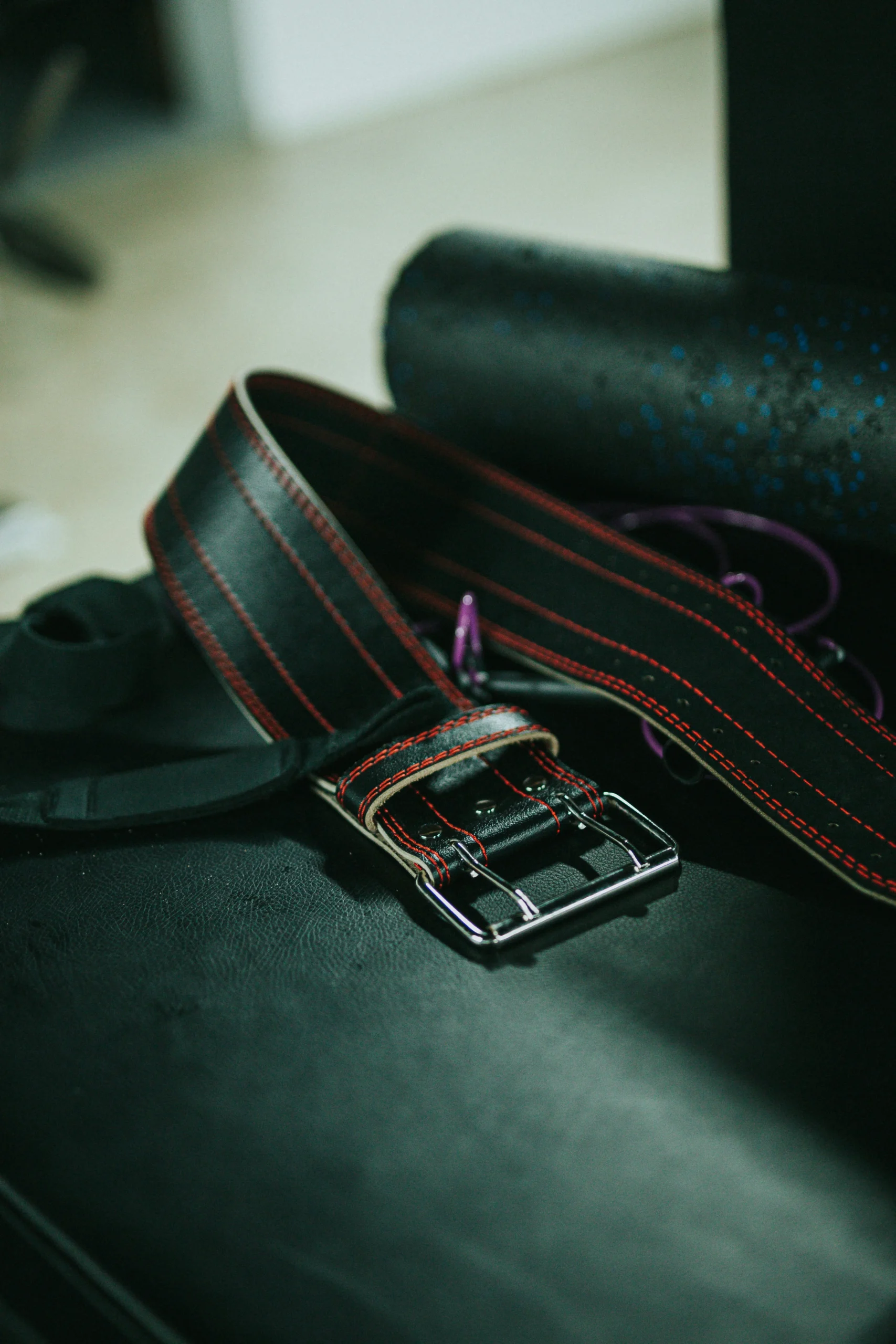
Six Decisions That Define the Finished Belt
Training Purpose
Decide whether the model serves powerlifting, Olympic lifting, functional training or general gym use before choosing stiffness and profile.
Belt Structure
Select a firm layered build or a more flexible construction according to the support feel and price position required.
Closure System
Compare lever, single-prong, double-prong and hook-and-loop closures for adjustment, convenience, hardware cost and customer preference.
Width and Shape
Set a uniform or tapered profile that suits the target discipline, torso comfort and the intended visual identity.
Size Grading
Build the size chart from waist measurements and closure adjustment rather than copying garment sizes from another product category.
Brand Finish
Plan logo placement, colours, stitching, labels and packaging as part of the approved model rather than adding them after sampling.
What a Weightlifting Belt Manufacturer Needs to Confirm
A clear specification prevents a belt from becoming a collection of disconnected options. The model should define how the belt feels, closes, fits and presents your brand before bulk materials or hardware are ordered.
Select the Belt Construction
Structured leather-style belts and flexible training belts serve different customers. A firm layered build may suit a powerlifting collection, while neoprene or nylon-based construction may be more appropriate for classes, functional training or buyers who prefer quicker adjustment. Material names alone are not enough: confirm stiffness, surface finish, internal feel, flexibility and edge treatment on the sample. The weightlifting belt manufacturer should record the approved material combination so later orders are not based only on colour photographs.
Match the Closure to the User
Lever closures provide fast locking at a fixed adjustment, while prong buckles allow the wearer to change holes without repositioning hardware. Single-prong designs are generally simpler to operate; double-prong designs create a different visual and handling experience. Hook-and-loop systems suit flexible belts that need rapid adjustment. Closure choice affects the pattern, overlap, hardware placement and size range, so it should be selected before artwork and packaging are finalised.
Set Width, Profile and Stiffness
A belt can use a consistent width around the body or taper towards the front. The right profile depends on the lifting discipline, torso length, target customer and desired level of rigidity. Avoid publishing a thickness or performance claim before the finished construction has been sampled. Instead, approve the feel, flex and edge behaviour against a physical reference. A weightlifting belt manufacturer can then reproduce the agreed model using recorded measurements and material layers.
Build a Reliable Size Chart
Belt sizing should be based on the waist position where the product will be worn. Record the belt length, usable adjustment range, hole spacing or hook-and-loop landing area for every size. A wholesale size curve should reflect the buyer’s customer base rather than dividing the order evenly without sales data. The sample review must confirm that the closure sits correctly, the tail length is practical and adjacent sizes do not leave avoidable gaps.
Approve Stitching and Edge Finish
Stitching and edge treatment influence appearance, comfort and repeatability. Review stitch distance, thread colour, seam alignment, buckle attachment, rivet placement where applicable and the finish around cut edges. Flexible belts also require attention around binding, webbing anchors and hook-and-loop ends. Inspect these areas while the belt is curved and fastened, not only when it is laid flat, because distortion can expose uneven lines or uncomfortable edges.
Position Branding for Production
Embossing, embroidery, patches, printed marks and labels create different requirements. A large rear logo may need an uninterrupted panel, while a small mark near the closure must avoid holes, hardware and high-flex areas. Confirm artwork size, placement and colour on the sample. The weightlifting belt manufacturer should also record hangtags, care information, individual packaging and carton identification so the product arrives ready for the buyer’s chosen sales channel.
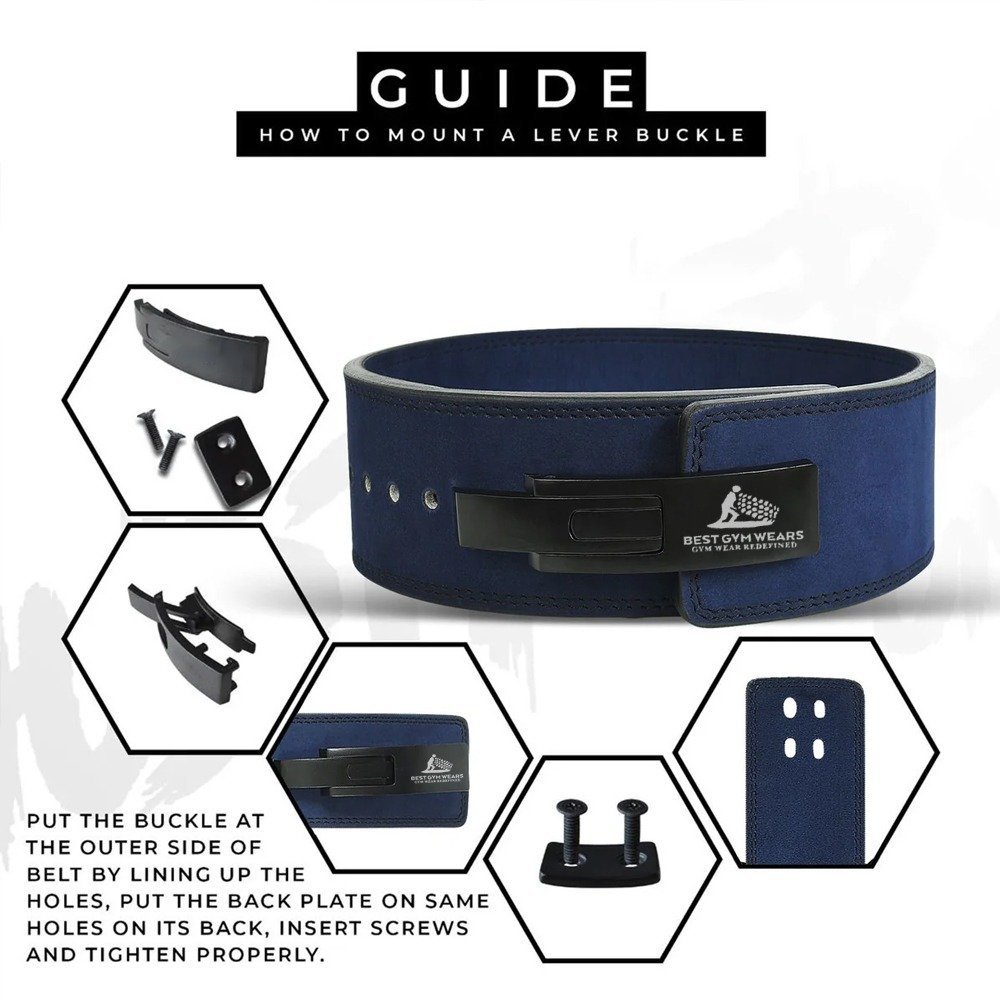
Quick Specs | Belt type | Lever, prong, tapered or flexible |
|---|---|
Construction | Confirmed against approved sample |
Closure | Selected for the target user |
Width | Defined by the approved model |
Sizes | Custom size chart and adjustment range |
MOQ | 50 |
Shipping | Worldwide export |
Color | Select Customly |
From Your Idea to Finished Custom Weightlifting Belt
Private-Label Belt Customisation
Define the Market
Identify the lifting discipline, target customer, price position, sales channel and related products in the planned collection.
Choose the Model
Select lever, prong, tapered or flexible construction and define the required support feel and visual direction.
Review Materials
Compare suitable outer, inner, reinforcement and binding options for stiffness, comfort, finish and branding compatibility.
Confirm Hardware
Approve buckle or lever style, finish, placement and attachment before the belt pattern and artwork are locked.
Grade the Sizes
Set waist ranges, belt lengths, holes or adjustment zones and the planned quantity split across sizes.
Inspect the Sample
Check fit, closure operation, curvature, edge finish, stitching, branding and packaging against the written brief.
Lock the Specification
Record approved materials, measurements, hardware, artwork, labels and packing details before bulk production is released.
Control Reorders
Compare later materials and components with the approved reference and document any change before replenishment begins.
Available Fabric Options
All fabrics are available for custom rash guards. Our team will recommend the best option for your specific use case and target market. Learn more about our fabrics →
| Belt Style | Best For | Construction | Closure | Key Feature | Lever Belt | Powerlifting and heavy strength brands | Structured profile | Lever buckle | Fast, repeatable fastening |
|---|---|---|---|---|
| Single-Prong Belt | General strength and gym retail | Structured with flexible adjustment | Single buckle prong | Simple size adjustment |
| Double-Prong Belt | Traditional lifting collections | Firm and hardware-led | Double buckle prong | Classic heavy-duty appearance |
| Tapered Belt | Olympic lifting and mixed training | Wider back, narrower front | Buckle or hook-and-loop | Improved front movement |
| Flexible Belt | Functional fitness and gym classes | Neoprene or textile based | Hook-and-loop | Lightweight adjustment |
| Dip Belt | Weighted dips and pull-ups | Padded body with attachment system | Strap, chain or hardware | External weight attachment |
Custom Details for a Private-Label Weightlifting Belt Range
Outer Finish
Choose the required texture, colour and surface character after reviewing material samples for the selected belt construction.
Inner Surface
Confirm lining feel, grip and edge transition so the belt remains comfortable across the intended size range.
Buckle or Lever
Select closure shape, finish and operation according to the product model and replacement strategy.
Belt Profile
Define uniform, tapered or flexible dimensions through a measured drawing and approved physical sample.
Stitching Detail
Coordinate thread colour, stitch rows and edge treatment with the belt’s construction and brand positioning.
Logo Application
Use embossing, embroidery, patches or printed branding only where the approved material and placement support the method.
Labels and Tags
Add brand, size, care and origin information using a format suited to the belt and its packaging.
Retail Packaging
Confirm individual protection, hangtag placement, barcode area and carton identification for wholesale or e-commerce handling.
Built for Repeatable Wholesale Orders
Best Gym Wears manufactures custom sportswear and fitness accessories in Sialkot, Pakistan. Every private-label belt order should be based on an approved sample, written measurements, confirmed hardware, final branding files and a clear size breakdown. Working with a weightlifting belt manufacturer through one approved specification supports more consistent production. This creates a stronger foundation for bulk production and future reorders.
Custom Weightlifting Belts Gallery
Explore custom weightlifting belts developed for powerlifting, strength training, functional fitness and private-label gym collections. Available design directions include lever belts, prong belts, tapered lifting belts and flexible training belts with custom colours, branding, stitching and packaging.
Frequently Asked Questions
Best Gym Wears can develop lever, single-prong, double-prong, tapered, flexible and specialist belt designs. The final construction depends on the target customer, required fit, closure system and approved materials.
Yes. Custom colours, logos, labels, hangtags and packaging can be included in the product specification. Branding methods are selected according to the belt material and design.
Lever closures suit fixed, fast fastening. Prong buckles offer wider adjustment. Hook-and-loop closures work well with flexible training belts. The best choice depends on the intended user and belt structure.
Yes. The size range can be built around waist measurements, belt length and closure adjustment. Wholesale quantity planning should also reflect the expected customer size distribution.
Yes. The sample is used to review fit, closure operation, stiffness, stitching, branding and packaging before bulk production is approved.
Both structured and flexible belt directions can be discussed. The final material combination is selected according to the product concept, desired support feel and approved sample.
The minimum order quantity depends on the belt model, materials, colours, size breakdown, hardware and branding requirements. The weightlifting belt manufacturer confirms the final requirement after reviewing the complete order. Submit the full specification for an accurate quotation.
Production timing depends on the approved sample, materials, hardware, order quantity and packaging. The schedule is confirmed after the final specification and order details are reviewed.
Start Your Custom Belt Range
Share the belt style, reference images, closure, size range, colours, branding, quantity and packaging requirements. Best Gym Wears can review the project as a weightlifting belt manufacturer and prepare the next step towards sampling, quotation and bulk production.