

At Best Gym Wears, every fitness garment starts with a vision. Every high-performance compression set, moisture-wicking tank, and stylish athleisure hoodie goes through a detailed journey from concept to finished product. From concept development and fabric selection to sampling, production, and final quality checks, each stage plays an important role. In this article, we take you behind the scenes From Concept to Creation: Inside the Process of Fitness Clothing Manufacturing in the USA, showing how American craftsmanship, technology, and sustainable practices combine to deliver activewear that performs, lasts, and inspires.
1. Ideation & Market Research
In the ideation phase:
- Market Trends & Consumer Feedback: Our design team monitors trends in fitness, sports performance, athleisure, color palettes, social media, and materials. What do fitness enthusiasts want in terms of cut, fit, compression, breathability, or styling?
- Functionality Goals: What will the garment be used for? High-intensity training? Yoga? Running? Everyday wear? Each use-case has different demands for stretch, support, ventilation, and comfort.
- Sustainability & Ethics: Increasingly, consumers seek eco-materials, recycled fabrics, low waste, ethical labor. At Best Gym Wears, sustainability considerations are integral from the start.
Based on that research, initial sketches and concept boards are made: color swatches, fabric samples, logos, pattern ideas. These provide the blueprint for what will ultimately become the final product.
2. Design & Technical Development
Once the concept is approved, the technical design phase begins.
- Detailed Patterns & CAD: Designers use computer aided design (CAD) software to create precise patterns and fit specifications. This ensures accurate sizing, seam placements, stretch zones, and ergonomic design.
- Prototyping & Samples: A prototype is made to test the concept. The first sample may identify flaws fit, seam strength, comfort, stitching detail. We iterate: adjust pattern, cut, stitch, and test again.
- Testing Performance: Samples undergo performance testing: stretch recovery, moisture wicking, colorfastness (after sweat, wash, sun), seam durability, elasticity, odor resistance.
3. Fabric Selection & Material Sourcing
Material makes or breaks athletic performance. In the USA, manufacturers benefit from access to a wide array of fabrics and state-of-the-art suppliers.
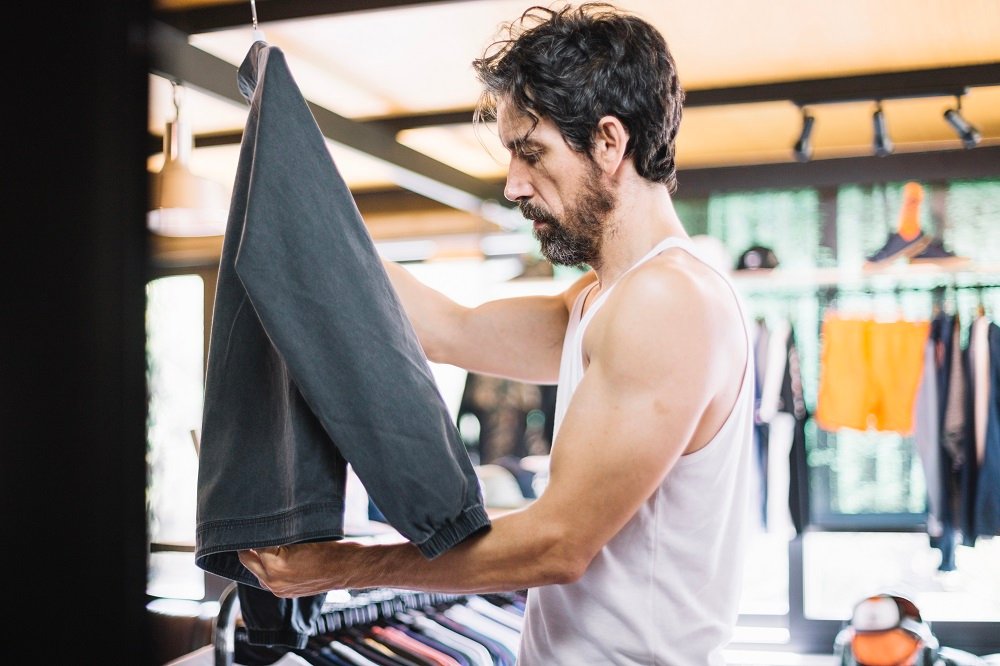
- Choosing the Right Fabric: Depending on the intended function, Best Gym Wears carefully selects the most suitable fabrics. For instance, manufacturers choose moisture-wicking polyester and spandex blends for high-intensity workouts, use compression materials to support muscle recovery, add breathable mesh inserts to improve airflow, and rely on premium cotton blends when comfort is the top priority.
- Manufacturers often use sustainable fabrics such as recycled polyester, organic cotton, bamboo blends, and other eco-friendly textile options, and they evaluate fabric suppliers based on their certifications.
- Trims, Hardware, and Accessories: Beyond fabric, manufacturers choose zippers, drawcords, elastics, labels, and packaging based on the product’s design and function. Each component must be durable, colorfast, and comfortable against the skin.
4. Sampling & Fit Testing
With designs and materials chosen, Best Gym Wears proceeds to refine fit and finish.
- Sample Garment Production: In-house teams or partner manufacturers in the USA produce a small batch of the garment. They then use these samples for real-world wear testing.
- Fit Models & Wear Trials: Fit models of different body shapes test the attributes: range of motion, comfort under sweat, chafing, etc. Athletes or fitness enthusiasts may trial prototypes across workouts: running, lifting, yoga.
- Feedback and Revision: Based on feedback, the team may adjust pattern grading for different sizes, refine seam placement, modify hem length, and improve waistband comfort. This may require multiple sample iterations.
5. Manufacturing: Cutting, Sewing & Quality Control
After perfected samples, the actual manufacturing phase starts. In the USA, this often involves local production facilities, skilled workers, and strict quality oversight, while Best Gym Wears ensures every piece meets high standards.
- Cutting the Fabric: Manufacturers use precise cutting machines, often digital, to cut fabric panels according to the approved patterns. Minimizing waste is a priority.
- Sewing and Assembly: Experienced workers join the fabric panels using specialized machines such as flat-lock, overlock, and coverstitch machines, depending on the seam type. They also add reinforcements where needed, especially at stress points.
- Finishing Details: The team attaches trims, labels, zippers, pockets, hood drawcords, and elastic waistbands. They also apply logos, brand prints, or embroidery and add special finishing elements such as heat transfers or reflective details.
- Quality Assurance (QA): Every garment passes multiple checkpoints. Visual inspections (look for stitching defects, color inconsistencies), functional tests (stretch, wash, wrinkle behavior), measurement checks (dimensions vs spec). The team discards defective items or remakes them to meet quality standards.
6. Packaging & Shipping
Once products pass QA, they move to packaging and distribution—also handled with care.
- Eco-Friendly Packaging: Manufacturers minimize packaging materials where possible and choose recyclable or compostable options. They also select tags, polybags, and boxes with a lower environmental impact.
- Labeling and Branding: The team tags each item with brand details, care instructions, size labels, country of manufacture, and compliance information. For many brands, a Made in USA label is also a strong selling point.
- Inventory and Logistics: The team organizes, records, and stores finished pieces so they are ready for order fulfillment. For domestic U.S. orders, shipping times are faster thanks to local warehousing; export orders must handle customs or freight.
7. Regulatory Compliance, Certifications & Good Practices
Manufacturing in the USA involves compliance with various regulations and voluntary standards that ensure safety, ethical labor, and environmental responsibility.
- Textile Safety & Care Standards: Fabrics and trims must meet safety laws (flammability, labeling, chemical safety).
- Labor & Fair Manufacturing Laws: Factories comply with U.S. labor laws, wage and hour standards, safe workplace conditions.
- Certifications: May include OEKO-TEX, Fair Trade, GOTS, Bluesign, or other relevant eco or ethical standards. Best Gym Wears evaluates suppliers to ensure alignment.
8. Marketing, Retail & Direct Consumer Feedback Loop
A product isn’t finished once sewn—the final creation has to meet the customer. This involves marketing, sales, and ongoing feedback for continuous improvement.
- Product Launch & Marketing: From lookbooks and social media content to fitness influencers, content creation showcases the features: stretch, fit, moisture control, comfort, sustainability.
- Retail / Direct-to-Consumer Sales: Products may be sold via Best Gym Wears online store, special pop-ups, or retailers. In each case, packaging, presentation, and customer experience matter.
- Customer Feedback & Revisions: Once consumers wear the garments, their feedback (comfort, durability, wash performance) is collected. This helps shape future versions or new product lines.
9. Advantages of Fitness Clothing Manufacturing in the USA
Manufacturing within the USA brings distinct benefits—best realized when every stage, from concept to creation, is managed with care.
- Speed & Agility: Proximity of design, production, and shipping facilities enables fast turnaround, quicker iterations, and shorter lead times.
- Quality Oversight: Having manufacturers nearby improves oversight, makes inspections more feasible, and helps control quality.
- Ethical & Sustainable Practices: U.S. regulations and cultural expectations align with sustainability and worker welfare—elements that are increasingly important to consumers.
- “Made in USA” Value: Many U.S. customers view domestic manufacturing as a mark of trust, durability, and ethical production—making it an appealing selling point.
10. A Real-World Example: How Best Gym Wears Handles a New Product Line
To illustrate, here’s a simplified timeline of how Best Gym Wears might take a new fitness apparel line From Concept to Creation:
| Phase | Time Estimate | Main Activities |
| Ideation & Trend Research | 1-2 weeks | Survey customers, trend boards, sketches |
| Design & Technical Specs | 1-2 weeks | CAD work, fabric & trim sourcing |
| Sampling & Fit Testing | 2-3 weeks | Prototypes, wear trials, revisions |
| Manufacturing | 2-4 weeks | Bulk cutting & sewing, quality control |
| Finishing, Packaging, Shipping | 1 week | Packaging, branding, logistics |
| Marketing & Launch | Concurrent / following production | Photoshoots, social media, product pages |
Of course, timelines may vary depending on complexity, customization, and order volume. But American-based facilities generally help reduce delays that might come from overseas production, customs, or long shipping channels.
FAQs
Here are five frequently asked questions about fitness clothing manufacturing in the USA and how Best Gym Wears handles the process.
Q1: What does “from concept to creation” mean in fitness apparel?
It means the full product lifecycle starts with ideation market research, trend analysis, design sketches and carries through every step: choosing materials, prototyping, fit testing, manufacturing, packaging, and finally delivering to customers. It’s a holistic approach that ensures quality, usability, and consistency at every stage.
Q2: How long does it typically take to manufacture a new fitness clothing item in the USA?
It depends on complexity. For a simple design (e.g. basic tee or tank), the process might take 4-6 weeks from first sketch to finished product. More complex items (with custom fabrics, multiple trims, detailed patterns, or compression features) may take longer 6-10 weeks or more. Best Gym Wears strives to streamline this where possible and keeps clients informed throughout the process.
Q3: Is fitness activewear made in the USA more expensive? Why?
Often, yes. Costs can be higher due to higher labor rates, stricter safety and environmental regulations, quality materials, and ethical standards. However, these factors also contribute to greater durability, better fit, ethical production, and faster delivery times. Many customers see value in paying more for higher quality and reliability, fewer replacements, and responsible manufacturing.
Q4: How does Best Gym Wears ensure sustainability during manufacturing
We incorporate sustainability at multiple stages: selecting recycled or organic fabrics; minimizing fabric waste through efficient pattern cutting; using non-toxic dyes and eco-friendly trims; choosing packaging with reduced environmental impact; and working only with factories that uphold labor and environmental standards. We also collect customer feedback to assess how garments perform over time and adjust designs to increase longevity.
Q5: Can small brands or individuals collaborate with Best Gym Wears to bring their own design to life?
Absolutely. Best Gym Wears offers private label and small-batch manufacturing services for startups, fitness influencers, or individuals. We assist with design, material sourcing, and prototyping to make sure your concept becomes a high-quality finished product. You don’t have to begin with large orders our process supports scaling as demand grows.